Cute Safari Animals Embroidery Review
As a designer who has spent years testing digital assets for everything from boutique branding to custom family gifts, I approach every new embroidery file with a mix of excitement and skepticism. You never know if a design will translate beautifully from the screen to the fabric until you actually stitch it out. Today, I am evaluating the Cute Safari Animals Embroidery collection to see if it holds up in a real-world scenario. My goal is not just to describe the images, but to provide practical insight on how this machine embroidery design performs when used in actual production.
The First Impression: Mood and Market Fit
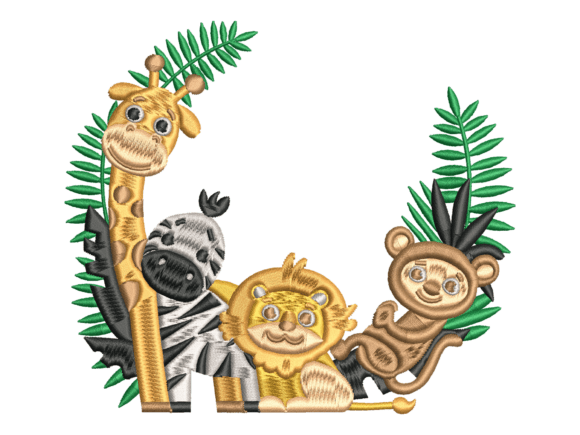
When you first open the files for Cute Safari Animals Embroidery, the immediate feeling is one of warmth and playfulness. The visual personality is distinctively soft, which suggests it belongs naturally in the Nursery category or any project targeting young children. Unlike some bold, graphic designs that scream for attention, this collection whispers. It creates a cozy atmosphere that feels perfect for personalized gifts, baby showers, or creating a welcoming vibe in a child's room.
The layout appears balanced, avoiding the cluttered look that often plagues busy animal themes. For an Etsy seller or a small shop product owner, this distinction matters. A clean design allows the texture of the thread to shine through without looking messy, which is crucial for maintaining a professional brand image. It feels like a design asset that could elevate a simple tote bag into a premium handmade product.
Real-World Scenario: The Custom Baby Sweatshirt
To truly test the potential of this digital embroidery file, imagine a client request: a custom embroidered sweatshirt for a toddler's birthday. The client wants something unique but not overwhelming. They are looking for a personalized gift that can be worn daily without looking too formal.
In this scenario, placing Cute Safari Animals Embroidery on the chest of a heather grey sweatshirt would likely yield excellent results. The design's playful nature complements the casual fabric texture of a sweatshirt perfectly. However, as a reviewer, I have to consider the finish. If the stitching density is high, the fabric might pucker slightly on a heavy knit. This is why checking the stitch density before mass production is vital. If the design is optimized correctly, the finished product will feel substantial yet flexible, ensuring the customer remains happy with the durability of their purchase.
Furthermore, this design could easily transition from apparel to home decor. Imagine using the same file to create a set of matching pillow covers or a tea towel for a nursery-themed kitchen. The versatility here adds significant value for a creative entrepreneur looking to maximize their inventory without buying multiple different designs.
Performance Across Different Materials
Not all fabrics treat an embroidery project the same way. While Cute Safari Animals Embroidery looks charming on paper, its success depends heavily on what you put it on. On stable fabrics like cotton twill for a tote bag design or denim for a patch, the stitches should lay flat and crisp. The contrast between the thread colors and the fabric will determine the final visual appeal.
However, caution is required when working with stretchy fabrics like jersey or thin materials. Without the proper stabilizer, the tension from the machine could distort the fabric, ruining the shape of the animals. Similarly, textured fabrics like fleece or boucle can hide the fine details of the design. In these cases, the design might lose its definition, making it less effective as a commercial embroidery piece. Always test on scrap fabric first to ensure the thread colors pop against the background.
For dark fabrics, the choice of thread colors becomes critical. If the design relies on light pastel threads without a sufficient underlay, the colors may appear dull or washed out. This is a common pitfall in apparel decorators work. Conversely, on white or light backgrounds, the design should stand out vividly, offering a clean and bright aesthetic that appeals to parents and gift-givers alike.
Where to Use Carefully
While this design is versatile, there are specific situations where you should proceed with caution. Small hoop sizes can sometimes cut off intricate details, especially if the design includes small facial features or tiny accessories. If you are aiming for an embroidered patch or a cap logo, verify that the hoop size accommodates the entire artwork without distortion.
Curved surfaces like caps present another challenge. The design must be digitized specifically for curved panels; otherwise, the animals might look stretched or misaligned. Additionally, avoid using dense fill stitches on very thin fabrics, as the weight of the thread can cause the material to tear or sag over time. For products that need frequent washing, such as baby clothes or kitchen towels, ensure the design uses secure stitch types like satin stitch for outlines to prevent fraying.
Visual Appeal and Customer Trust
In the world of handmade goods, presentation is everything. A well-executed finished product builds trust and encourages repeat business. When customers receive a personalized item featuring Cute Safari Animals Embroidery, they are paying for the craftsmanship as much as the design itself. If the stitching is clean, the colors are vibrant, and the placement is centered, the perceived value of the item increases significantly.
This design has the potential to enhance brand consistency for a boutique selling baby items. Using a cohesive theme across various products—like aprons, hats, and blankets—creates a recognizable identity. It also makes for excellent printable mockups in online listings, allowing potential buyers to visualize the final result clearly. A sharp, clear image of the design on a realistic background can drive engagement and sales more effectively than generic stock photos.
Practical Designer Notes for Success
Before integrating this embroidery design into your workflow, there are several technical steps you must take. First, always review the file structure. Since these are delivered as a ZIP or RAR archive, ensure you extract the correct formats compatible with your machine software. Check the recommended thread colors provided by the creator to achieve the intended look.
Second, inspect the small details closely. Zoom in on the digital preview to see if any lines are too thin or if corners are too sharp for the chosen needle size. Testing the design in black and white mockups can help you understand how the shapes interact without the distraction of color. Finally, confirm the licensing terms. Are you allowed to sell the finished items? Does the license cover commercial use for your craft business? Never assume; read the fine print regarding design assets to protect your business.
By following these guidelines and understanding the limitations of different fabrics, you can turn Cute Safari Animals Embroidery into a staple of your collection. Whether you are creating a holiday gift or a line of boutique merchandise, this design offers a charming foundation for your next big project. Just remember: preparation and testing are the keys to a flawless execution.