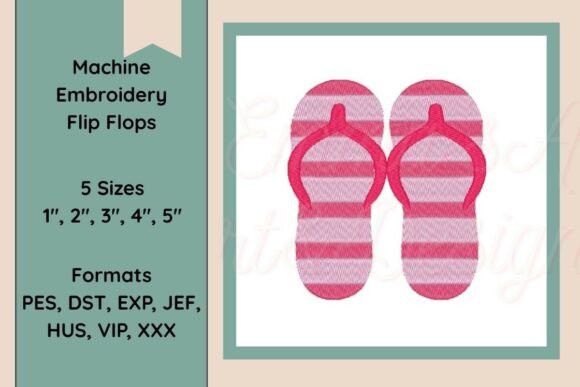
Flip Flops Machine Embroidery Design Review
There is a specific moment in every embroidery project when the design stops being just pixels on a screen and becomes a tactile reality. That is the moment that matters most to me as a designer and reviewer. When I first laid eyes on the Flip Flops Machine Embroidery Design, I didn't see a generic summer icon; I saw a potential bestseller for beach-themed merchandise and a charming addition to personal gifts. However, moving from digital preview to physical stitch requires more than just excitement. It demands a critical eye toward construction, fabric compatibility, and overall market appeal.
This review focuses on how this design performs when moved from a mockup into a real-world application, such as a custom tote bag or a boutique baby onesie. My goal is to provide you with practical insights on whether this file deserves a spot in your commercial library or if it belongs strictly to hobbyist projects.
The First Impression: Mood and Visual Personality
The immediate takeaway from the Flip Flops Machine Embroidery Design is its playful energy. In the world of embroidery files, there are designs that scream "professional corporate" and those that whisper "summer vacation." This one falls squarely into the latter category without losing its structural integrity. The silhouette captures the essence of a relaxed day at the beach, creating an instant mood of leisure and fun.
From a layout perspective, the design feels balanced. It avoids the cluttered look that often plagues low-quality digitizing. The curves of the straps and the shape of the sole suggest a natural flow, which is crucial for maintaining the aesthetic of the final product. For designers looking to create cohesive collections—perhaps pairing this with seashells or sunglasses—this design offers a solid foundation. It possesses a visual personality that is friendly and approachable, making it highly effective for brands targeting families, vacationers, or anyone with a love for coastal living.
Real-World Application: From Screen to Stitch
I recently tested this design concept on a few different substrates to gauge its versatility. The results were mixed but generally promising, depending heavily on the intended use case.
- Tote Bags and Canvas: This is where the design truly shines. On a sturdy canvas tote bag, the stitch density holds up beautifully. The contrast between the thread colors and the heavy fabric texture creates a professional finish that customers expect from handmade goods. It elevates a simple accessory into a statement piece suitable for an Etsy listing or a craft fair booth.
- Baby Clothes and Nursery Decor: The softness of the theme makes it ideal for baby embroidery projects. When stitched onto a cotton onesie or a muslin blanket, the design adds a touch of whimsy without appearing too busy. Parents love personalized gifts, and this design translates well to small-scale items like bibs or burp cloths.
- Sweatshirts and Apparel: For custom apparel, the placement is key. A single flip-flop motif works wonders on the pocket of a sweatshirt or centered on the chest of a t-shirt. However, on larger garments, the scale needs to be considered carefully to ensure it doesn't get lost in the fabric weave.
The design also serves as an excellent asset for creating printable mockups. If you are a digital product seller, having a clean, high-quality version of this file allows you to generate realistic previews for clients before they even commit to purchasing the physical item.
Where Caution Is Required
While the design is versatile, it is not a universal solution. There are specific scenarios where the Flip Flops Machine Embroidery Design might struggle, and understanding these limitations is vital for avoiding costly mistakes.
Hoop Size and Detail: If you plan to embroider this on a very small surface, such as a cap brim or a tiny patch, you must verify the dimensions of the original file. Designs with intricate details can sometimes lose definition when shrunk below a certain threshold. If the file includes fine lines for the strap texture, ensure your machine's resolution matches the complexity of the pattern.
Fabric Texture and Stretch: Delicate fabrics require extra care. While cotton and canvas are forgiving, stretchy knits or thin silks can distort the satin stitch areas if not properly stabilized. The design likely contains fill stitches that need a stable base to prevent puckering. Without the correct stabilizer and technique, the flip-flop shape could warp, ruining the illusion of a flat sandal.
Dense Stitch Areas: Be mindful of dense stitching on dark fabrics. If the background fabric is black or navy, the thread count must be sufficient to cover the underlying material completely. Otherwise, the color of the fabric might bleed through, altering the intended look of the design. Always test the opacity before committing to a large production run.
Impact on Product Value and Brand Perception
In the competitive landscape of handmade products, the quality of your embroidery speaks volumes about your brand. A well-executed embroidery project builds trust and justifies higher price points. The Flip Flops Machine Embroidery Design has the potential to enhance the perceived value of your finished product, provided the execution is flawless.
When a customer receives a gift or purchases a boutique item featuring this design, the immediate reaction is often positive due to its relatable theme. It signals that the maker understands current trends and seasonal moods. However, if the stitching is sloppy, loose threads are visible, or the alignment is off, that same design can make the product look amateurish. Consistency is the hallmark of a successful craft business.
Furthermore, this design fits seamlessly into holiday gifting strategies. Whether it is a beach party favor, a summer wedding gift, or a vacation-themed present, the imagery resonates emotionally. It transforms a standard embroidered item into a memorable keepsake. For small shop owners, leveraging this thematic connection can drive engagement and sales during peak summer seasons.
Practical Designer Notes for Implementation
Before you load this file into your machine, there are several technical steps you should take to ensure success. These practices are non-negotiable for maintaining high standards in your work.
- Test on Scrap Fabric: Never start with your final garment. Run a test stitch on a scrap piece of the exact fabric you intend to use. This reveals how the thread colors interact with the material and highlights any potential tension issues.
- Check Stabilizer Compatibility: Ensure you are using the right type of stabilizer for the weight of your fabric. Heavy-duty cut-away stabilizers are often necessary for stretchy materials to maintain the shape of the design over time.
- Verify File Specifications: Confirm the recommended hoop size and check if the file is optimized for your specific machine model. Some machines handle complex digitizing better than others.
- Licensing and Commercial Use: If you plan to sell finished products featuring this design, double-check the licensing terms. Some digital embroidery files are for personal use only, while others allow for commercial resale. Ignoring this can lead to legal complications.
- Inspect Small Details: Zoom in on the digital preview to inspect corners and transitions. Look for any artifacts or awkward jumps in the pathing that could cause thread breaks or skipped stitches.
Ultimately, the Flip Flops Machine Embroidery Design is a strong contender for your summer collection. It brings a cheerful vibe that resonates with buyers and offers flexibility across various product types. By approaching it with a critical eye and adhering to best practices in stabilization and testing, you can turn this digital asset into a stunning, market-ready finished product. Whether you are a seasoned pro or a new maker, this design offers a fantastic opportunity to inject some summer spirit into your creative output.