Fruit Bowl Embroidery Design Review for Small Business
As an experienced embroidery designer who has spent years refining digital files for commercial use, I know that choosing the right machine embroidery design is about more than just aesthetics. It is a strategic decision that impacts your brand identity, production costs, and customer perception. When evaluating the Fruit Bowl Embroidery Design, I looked past the colorful description to see how it functions as a tool for small business merchandising, branded patches, and custom apparel.
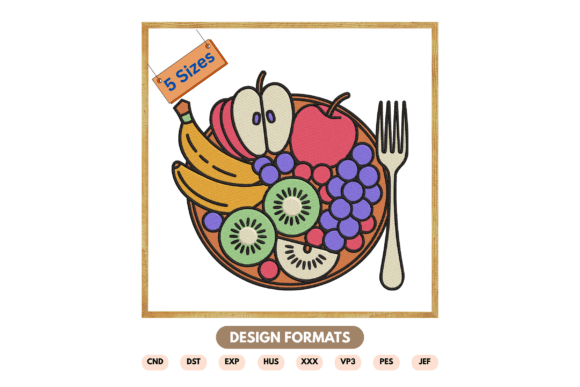
This review focuses on real-world application. Whether you are running a boutique café, a handmade shop, or a creative studio, understanding the nuances of this design is crucial before sending it to production. The Fruit Bowl Embroidery Design promises a fresh and colorful touch with a vibrant assortment of bananas, apples, grapes, kiwi slices, and berries. But does this visual appeal translate into a professional finished product on a cap, apron, or tote bag? Let us dive into the practicalities of using this file for your brand.
First Impressions: Visual Personality and Brand Fit
The initial reaction to the Fruit Bowl Embroidery Design is one of playfulness and vibrancy. The arrangement of fruits suggests a natural, organic, and friendly aesthetic. For businesses in the food industry—such as bakeries, juice bars, florists, or farm-to-table restaurants—this design feels like a perfect match. It conveys freshness and quality without appearing overly corporate or stiff.
However, the "handmade" feel can be a double-edged sword. If your brand aims for high-end luxury or minimalism, this design might feel too busy. Conversely, if you are targeting a market that values artisanal craftsmanship, community roots, and approachability, the Fruit Bowl Embroidery Design hits the mark. It works exceptionally well for Etsy sellers and craft business assets where a personal, warm connection with the buyer is essential. The design implies a sense of abundance and joy, which can significantly boost customer engagement when applied correctly.
Real-World Application: Where This Design Shines
In my experience testing various embroidery files, certain designs simply perform better on specific merchandise. The Fruit Bowl Embroidery Design excels in applications where color and texture can be showcased. Here is how I recommend deploying this asset across different business channels:
- Embroidered Patches: This design has strong potential as a sew-on or iron-on patch. The distinct shapes of the fruit allow for clear definition even at moderate sizes. A small patch featuring this motif adds a premium touch to denim jackets, canvas bags, or the back of baseball caps.
- Apron Embroidery: For chefs, baristas, or bakers, placing this design on the chest or pocket of a white or dark-colored apron creates an immediate visual hook. It signals that the staff takes pride in their work and that the establishment cares about presentation.
- Tote Bag Design: Canvas totes are a staple for small business merch. The bright colors of the fruit bowl contrast beautifully against neutral canvas, making the bag a walking advertisement for your brand.
- Chef Hats and Caps: While challenging due to curvature, a simplified version of this design can serve as a fun accent on the side of a cap or the front of a chef's hat, adding personality to staff uniforms.
- Product Packaging Accents: Consider stitching this onto fabric tags or hang-tags attached to your products. It elevates the unboxing experience and reinforces the idea of a handmade product.
When used as part of a cohesive brand identity, these elements help build trust. Customers associate high-quality embroidery with durability and attention to detail. If your Fruit Bowl Embroidery Design looks crisp and professional, it validates the value of your entire product line.
Strategic Pitfalls: Where to Exercise Caution
Even the most beautiful digital embroidery file can fail if placed incorrectly. As a designer, I have seen clients lose money because they ignored technical limitations. The Fruit Bowl Embroidery Design contains multiple elements (bananas, apples, grapes, etc.), which introduces specific risks:
Small Patch Sizes: If you attempt to stitch this design smaller than 3 inches wide, the details may blur together. Grapes and berry clusters often require enough space to distinguish individual stitches. If the design is too small, it will look like a muddy blob rather than a vibrant fruit bowl.
Cap Fronts and Curved Surfaces: Embroidering on a curved surface like a cap front requires careful hooping and stabilization. Complex designs with many color changes can shift or pucker on tight curves. Always test the Fruit Bowl Embroidery Design on a sample cap before ordering a bulk run.
High Stitch Density: Designs with dense fills can make fabric stiff and uncomfortable, especially on lightweight t-shirts or thin aprons. If the design uses too much thread per square inch, it may cause the fabric to pucker over time, particularly after frequent washing.
Dark Uniforms: While the description mentions vibrant colors, dark fabrics often require a heavy underlay or light-colored stabilizer to make the threads pop. Without proper preparation, the colors may appear dull or muddy against a black or navy background.
Impact on Brand Identity and Professionalism
Your embroidered items are often the first physical interaction a customer has with your brand. A poorly executed commercial embroidery project can damage reputation, while a well-executed one builds loyalty. The Fruit Bowl Embroidery Design contributes to a visual consistency that says, "We care about our details."
When customers receive a tote bag or wear a uniform with a crisp, clean embroidery job, they perceive higher value in the brand. This design, with its organic theme, aligns perfectly with brands that want to appear eco-friendly, local, or health-conscious. It helps differentiate your business from competitors who rely solely on printed graphics, offering a tactile, premium finish that stands out.
Practical Designer Notes for Production Success
Before you commit to a full production run, follow these essential steps to ensure the Fruit Bowl Embroidery Design performs as expected:
- Test in Black and White First: Run a monochrome test to check the stitch density and spacing. If the design holds up in black thread, it will likely hold up in color.
- Check Small Size Legibility: Zoom in on the digital file or stitch a small sample to ensure the fruit details do not merge. Ensure it works at your intended patch size.
- Review Thread Color Contrast: Verify that the chosen thread colors provide enough contrast against your target fabric. Bright yellows and greens may need specific shade adjustments for visibility.
- Inspect Spacing and Hoop Size: Confirm that the design fits within your available hoop size. Large designs may require multi-hoop setups, which increase production time and cost.
- Test on Real Fabric: Do not guess. Stitch the design on the actual material you plan to use. Different fabric textures react differently to needle penetration and thread tension.
- Use Proper Stabilizer: The choice of stabilizer is critical. For stretchy knits, a cut-away stabilizer is usually best. For stable wovens, a tear-away may suffice. Using the wrong stabilizer leads to puckering.
- Create a Printable Mockup: Before cutting fabric, generate a printable mockup to show clients or stakeholders. This ensures everyone agrees on the placement and scale.
- Compare Against Other Assets: Place the design beside your existing logo or other design assets to ensure visual harmony. Does it fit the overall style guide?
- Confirm Commercial Licensing: Finally, always verify that you have the legal right to use the Fruit Bowl Embroidery Design for custom apparel and resale. Check the license terms provided by the designer.
The Fruit Bowl Embroidery Design offers a delightful opportunity to add character to your small business merchandise. By approaching it with a professional mindset and paying attention to the technical details, you can transform a simple fruit illustration into a powerful branding tool. Whether it ends up on a cafe apron, a boutique tote, or a customer gift, the key lies in execution. Take the time to test, refine, and perfect the process, and your finished product will reflect the quality and care that defines your brand.