Spring Floral Embroidery Design Review
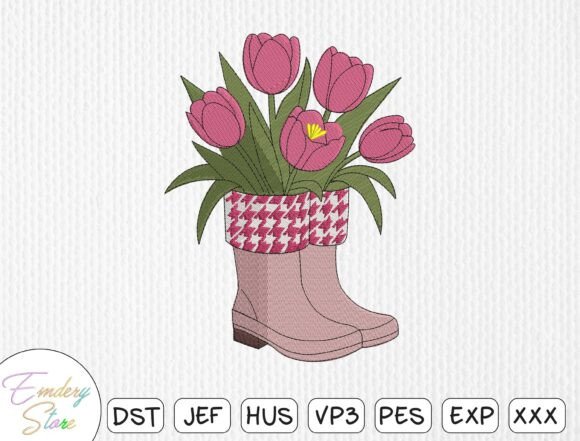
When I first opened the file for the Spring Floral Embroidery Design, my immediate thought was about the specific mood it sets. It isn't just a collection of flowers; it is a narrative. The description mentions "Tulips in Rain Boots," and that visual cue immediately tells me this design belongs to a specific niche: the cozy, whimsical side of spring crafting. As someone who has reviewed countless digital assets for commercial use, I look past the pretty preview image and focus on how the stitches will translate to physical fabric. This piece feels like it was made for the maker who wants to sell warmth and personality, not just generic patterns.
The First Impression and Visual Personality
The layout of the Spring Floral Embroidery Design strikes a balance between detailed and breathable. A bouquet of pink tulips with lush green leaves suggests a classic aesthetic, but the inclusion of rain boots adds a playful twist that separates it from standard floral motifs. In the world of handmade products, uniqueness is currency. This design avoids looking like a clip-art stamp because the arrangement of the stems and leaves likely creates a natural flow that guides the eye across the hoop.
I imagine this embroidery file sitting comfortably in the center of a cream-colored canvas tote bag or perhaps centered on the chest of a light grey sweatshirt. The color palette implied—pinks and greens—is inherently spring-like, but it also carries a softness that appeals to a broad demographic. It works equally well for a baby shower gift as it does for a boutique home decor item. The visual personality here is cheerful yet grounded, making it a versatile asset for any craft business looking to refresh their seasonal inventory without feeling dated.
Real-World Application: From Screen to Stitch
Let's talk about the actual project. I recently considered using this design for a custom line of aprons intended for a local farmer's market. The goal was to create a product that felt personal and inviting. When I ran the machine embroidery design through my mental simulation, the tulip bouquet seemed perfect for the bib area of an apron. The shape is compact enough to avoid overwhelming the wearer but detailed enough to catch attention from a few feet away.
However, the success of a finished product relies heavily on execution. If I were to stitch this onto a dark fabric, the pink tulips might get lost unless I carefully selected high-contrast thread colors. Conversely, on a white or pastel background, the design would pop with vibrant clarity. For a small shop owner, this means you can create a cohesive brand identity by sticking to a specific fabric palette while varying the items—from tote bag designs to kitchen towels.
The design also translates well to smaller items. Imagine a set of matching embroidered patches for a gardening club or a personalized gift for a mother. The rain boot element adds a touch of humor that customers love to see on social media. When you photograph these items for an Etsy listing or a printable mockup, the story of the design becomes part of the marketing. It isn't just a flower; it is a celebration of rainy days and blooming gardens.
Where to Use Caution and Why
While this design is charming, no single digital embroidery file is a magic bullet for every surface. There are specific scenarios where the Spring Floral Embroidery Design requires careful consideration. For instance, if you plan to embroider this on a structured cap or a curved hat, the circular nature of the tulip bouquet might distort if the hoop size isn't perfectly aligned with the curve of the brim. Curved surfaces often demand simpler layouts or smaller hoop sizes to maintain stitch integrity.
Texture is another critical factor. If you attempt to stitch this on a highly textured fabric like a heavy bouclé or a thick fleece, the needle may struggle to penetrate evenly, leading to skipped stitches or puckering. Thin fabrics, such as lightweight cotton or silk, present a different challenge. Without proper stabilizer support, the density of the satin stitch used for the petals could cause the fabric to gather and wrinkle around the design. Always test on scrap material before committing to your final piece.
Additionally, be mindful of the stitch density. Designs with dense fill areas can sometimes feel stiff after washing. If you are creating a garment meant for frequent wear, like a sweatshirt embroidery piece, ensure the density isn't so high that it compromises the drape of the fabric. For items that require frequent laundering, like tea towels or baby clothes, check that the thread colors are colorfast and that the stitches are secure enough to withstand agitation.
Designer Notes for Professional Results
To get the most out of this asset, I recommend a few practical steps before you start stitching. First, always review the stitch density in your digitizing software. If the design looks too crowded, consider adjusting the underlay settings to prevent the fabric from pulling. Second, test the thread color contrast. Sometimes a design looks great on a screen but fails in person due to low contrast between the thread and the fabric.
If you are selling finished goods, confirm the licensing terms associated with the file. Are you allowed to sell the handmade product commercially? Do you need to credit the designer? These details vary, and skipping this step can lead to legal issues down the line. Furthermore, inspect the small details. Tiny elements, like the outline of the rain boots or the tips of the leaves, should be clear and distinct. If they appear blurry in the preview, they might disappear entirely once stitched.
Another valuable tip is to compare the design in black and white mockups. This helps you visualize the value and structure of the embroidery without the distraction of color. It ensures that the design has strong lines and shapes even when viewed monochromatically. Finally, ensure you have the right stabilizer for your project type. A tear-away might work for a stable tote bag, but a cut-away might be necessary for stretchy knit fabrics to prevent distortion over time.
Final Thoughts on Value and Appeal
The Spring Floral Embroidery Design offers a solid foundation for creative entrepreneurs looking to expand their offerings. Its blend of traditional floral beauty and modern whimsy makes it suitable for a wide range of applications, from personalized gifts to commercial embroidery projects. It has the potential to elevate a simple product into something memorable, driving customer trust and engagement.
Whether you are a hobbyist making a gift for a friend or a seasoned Etsy seller building a brand, this design provides the visual appeal needed to stand out. By paying attention to fabric choice, stabilization, and testing, you can ensure that the final result matches the charm seen in the preview. It is a tool that, when used correctly, brings a touch of spring to any project, proving that good design is about more than just aesthetics—it is about functionality, durability, and the joy of creation.