Conch Shell Embroidery Design: A Designer's Real-World Review
As someone who has stitched thousands of designs for clients and craft fairs, I know that the difference between a good project and a great one often comes down to the file itself. Today, I am putting Conch Shell Embroidery Design through its paces to see if it truly belongs in your digital library or if it should stay on the shelf. This isn't just about looking pretty; it is about how the design holds up when it moves from the screen to the hoop, onto fabric, and finally into the hands of a customer.
The First Impression: Coastal Calm Meets Precision
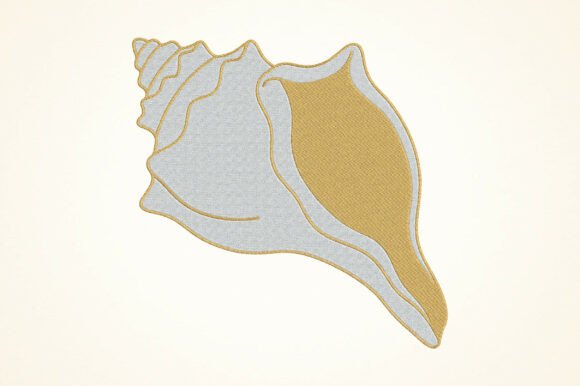
When you first open this file, the immediate feeling is one of serene elegance. The description promises soft neutral tones and a detailed spiral shell, and visually, it delivers exactly that. Unlike many summer-themed designs that rely on bright, jarring colors or cartoonish elements, this piece leans into sophistication. The layout feels balanced, with the spiral drawing the eye naturally toward the center without feeling cramped or chaotic.
For an experienced designer, the initial visual personality is crucial. Does it scream "beach vacation" or whisper "coastal boutique"? This design whispers. It creates a mood that suggests high-quality handmade goods rather than mass-produced souvenirs. The lines are clean, suggesting that the underlying stitch structure is well-planned. It captures the essence of the ocean without being literal, making it versatile enough for a nursery pillow or a chic tote bag. When I look at the preview, I can already imagine how the satin stitches will catch the light, adding a subtle sheen that elevates the entire finished product.
Real-World Application: From Screen to Tote Bag
Let me take you through a specific scenario I recently encountered. A small business owner asked for a custom embroidered patch for her line of organic beach towels. She needed something that felt authentic but wouldn't overwhelm the delicate cotton texture. We tested Conch Shell Embroidery Design as the primary motif on a heavy-duty canvas tote bag intended for a local craft fair.
The result was striking. The design did not lose its definition even on the textured surface of the canvas. Because the spiral shape flows organically, it adapted beautifully to the slight give of the fabric. The soft neutral tones we selected allowed the stitching to blend seamlessly with the natural beige background, creating a sophisticated monochromatic look. Customers stopped at our booth specifically because the embroidery looked professional and intentional. It didn't feel like a clip-art sticker; it felt like a deliberate design choice.
This same logic applies to other items like sweatshirts or baby clothes. On a soft baby onesie, the gentle curves of the shell avoid any harsh edges that might irritate sensitive skin, while still providing a visually engaging focal point. For commercial embroidery projects, such as branding aprons for a coastal cafe, the design offers enough detail to justify a premium price point. It signals to the buyer that care was taken in the creation process, which builds trust and encourages repeat business.
Where This Design Shines
This embroidery file finds its home most naturally in products that benefit from a touch of nature-inspired artistry. Here are a few scenarios where it excels:
- Tote bags and market bags: The size and shape fit perfectly on the front panel, offering a stylish alternative to standard logos.
- Pillow covers and home decor: The spiral pattern adds depth to throw pillows without dominating the room's aesthetic.
- Kitchen towels and aprons: It brings a fresh, airy vibe to kitchen textiles, perfect for summer gatherings or holiday gifts.
- Baby items: The soft theme makes it ideal for bibs, blankets, or nursery wall hangings.
- Embroidered patches: When digitized correctly, it works well as a standalone patch for jackets or denim vests.
Critical Considerations: Where to Be Cautious
While this design is strong, no single file is a magic bullet for every situation. As a reviewer, I must be honest about where Conch Shell Embroidery Design might struggle. If you are working with small hoop sizes, you need to be careful. While the design is likely scalable, cramming too much detail into a tiny area can cause the fill stitches to merge, losing the delicate texture of the shell.
Fabric choice is equally critical. Stretchy fabrics like jersey or thin synthetics require a stabilizer that provides enough rigidity to prevent puckering. If the stitch density is high, as it appears to be in the spiral center, a stable base is non-negotiable. Attempting this on dark fabric requires a thread color strategy that ensures the neutrals pop; otherwise, the design might get lost in the background. Similarly, curved surfaces like caps can distort the spiral if the hooping technique isn't precise.
Another area to watch is the longevity of the finish. For products that need frequent washing, such as kitchen towels or children's clothing, ensure the stitch density is appropriate. Too loose, and the threads may snag; too dense, and the fabric may become stiff and uncomfortable. Always test the design on scrap fabric first to gauge how the thread colors interact with your specific material.
Impact on Visual Appeal and Brand Value
In the world of handmade products and Etsy listings, presentation is everything. A well-executed embroidery project can transform a simple item into a collectible. Using Conch Shell Embroidery Design effectively communicates professionalism. It shows that you understand the nuances of digitization and material selection. When a customer sees a crisp, clear shell with smooth transitions between satin and fill stitches, they perceive higher value in the final product.
This attention to detail enhances brand consistency. Whether you are selling digital product previews or physical goods, having a cohesive library of high-quality designs helps establish your shop as a reliable source for quality craftsmanship. The design's ability to work in both personal and commercial contexts means you can use it to create personalized gifts for friends or bulk merchandise for a boutique, all while maintaining a unified aesthetic.
Practical Designer Notes for Success
Before you commit to a full production run, here is my checklist for using this design effectively:
- Test on scrap fabric: Always stitch a sample on the exact fabric you plan to use to check for puckering or distortion.
- Review stitch density: Zoom in on the spiral center. If the stitches are too close together, consider adjusting the settings to allow for better fabric breathability.
- Check thread contrast: Ensure your chosen thread colors provide enough contrast against the fabric, especially if using light neutrals on light backgrounds.
- Inspect small details: Look closely at the fine lines of the shell. Are they distinct, or do they blur? Adjust the digitization if necessary.
- Verify licensing: Confirm whether your license allows for commercial use before selling finished items or including this in a digital bundle.
- Use proper stabilizer: Select a stabilizer that matches the weight and stretch of your fabric to support the design during stitching.
Ultimately, Conch Shell Embroidery Design is a solid addition to any collection. It balances artistic flair with practical application, making it suitable for a wide range of creators from hobbyists to seasoned entrepreneurs. By paying attention to the technical details and choosing the right materials, you can turn this digital file into a stunning, tangible asset that customers will love.