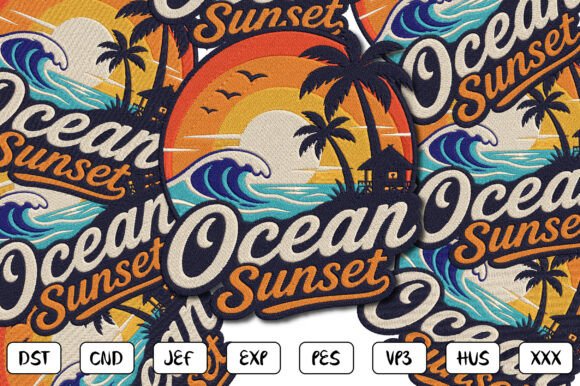
Ocean Sunset Embroidery: A Designer's Review for Craft Fairs
As an experienced embroidery designer, I spend a lot of time evaluating digital files before they ever touch a hoop. The difference between a design that sits in a folder and one that becomes a best-selling craft fair product often comes down to visual impact and production practicality. Today, I am reviewing the Ocean Sunset Embroidery file with a specific goal in mind: preparing for a weekend booth at a handmade market. This review focuses on how this embroidery file performs when turned into tangible goods like tote bags, aprons, and gifts.
First Impressions: The Vibe Check
When you look at the title and description for Ocean Sunset Embroidery, the immediate feeling is one of relaxation and tropical escape. It is not farmhouse or rustic; it feels distinctly modern and summery. The combination of ocean waves, palm trees, and a sunset sky suggests a design that is bold yet peaceful. For a handmade product display, this aesthetic is crucial because it triggers an emotional response in customers who are looking for a vacation memory or a piece of summer joy.
In terms of style, this design leans towards decorative and premium. It is not minimal, which is actually a good thing for physical products where texture matters. The promise of a sunset sky and beach elements implies rich color gradients and layered stitching that will catch the light under bright craft fair booths. It feels like a design that could elevate a basic item into something special.
Product Potential: Where Does It Shine?
I have walked through my mental inventory of what sells well at markets, and Ocean Sunset Embroidery has distinct strengths across several categories. Here is how I see it performing on different items:
- Tote Bag Design: This is perhaps the strongest contender. A large, vibrant sunset scene on a canvas tote bag acts as a statement piece. Customers love functional art, and the contrast of colorful thread against natural canvas makes the machine embroidery design pop immediately.
- Apron Embroidery: For the home cook or the gardener, this design adds a cheerful focal point. Placed on the bib of an apron, it transforms a utilitarian tool into a gift-worthy item. The beach theme fits perfectly with kitchen aesthetics that favor light and airy vibes.
- Tea Towel Embroidery: A smaller version of this design works beautifully on linen tea towels. However, the density of the stitches needs to be considered here to ensure the fabric doesn't become too stiff.
- Embroidered Patch: If the file allows for a clean edge or if it is intended as an applique base, this could be a high-margin add-on. Patches featuring palm trees and sunsets are perennial sellers for kids' backpacks and denim jackets.
- Pillow Covers and Market Bags: These items benefit from the soft, inviting nature of the design. A pillow cover with this motif creates an instant "resort" feel in a living room, while a market bag brings the summer vibe to grocery runs.
Production Reality: Can You Scale It?
For any Etsy seller or boutique maker, efficiency is key. When evaluating Ocean Sunset Embroidery for batch production, the first question is clarity. Does the design hold up when stitched quickly? If the stitch density is too high, the machine will slow down, increasing labor costs. If it is too sparse, the colors might bleed into each other, losing the definition of the waves and palm fronds.
The design needs to photograph well for online listings. A good digital embroidery file should translate clearly into a photo. The sunset gradient must remain visible even in a flat-lay shot. If the thread colors are too similar, the image will look muddy in photos, hurting your conversion rate. Conversely, if the contrast is sharp, it will stop scrollers in their tracks.
Is it repeatable? Yes, provided the file structure is clean. If the design requires constant re-hooping or complex color changes that disrupt workflow, it may not be ideal for high-volume commercial embroidery. Ideally, this design should allow for a smooth run on multiple items without losing its integrity.
Practical Considerations and Pitfalls
Before I commit to producing a booth full of these items, there are specific areas where Ocean Sunset Embroidery requires careful attention. As a designer, I know that technical details can make or break a finished product.
- Dense Stitch Areas: Large blocks of fill stitch, such as the sky or water sections, can sometimes cause puckering if the stabilizer isn't chosen correctly. Thick fabrics like heavy canvas need a robust backing to support this weight.
- Small Details: Palm leaves and wave crests can contain tiny details. If the design is scaled down too much for a small pouch or a cap, these details may disappear or look like blobs. Always verify the minimum size requirements.
- Curved Surfaces: Embroidering on caps or curved pouches presents a challenge. The perspective of the sunset might distort if the hoop placement isn't precise. Testing on scrap material is non-negotiable.
- Fabric Texture: Textured towels or slubby linens can hide fine stitches. On very rough fabrics, the crispness of the palm tree edges might get lost. Smooth cottons or blends usually yield the best results for this type of detailed imagery.
- Thread Contrast: Ensure your thread palette offers enough contrast between the dark waves and the lighter sky. Without proper contrast, the depth of the ocean scene will be flattened.
Visual Appeal and Brand Consistency
A strong booth display relies on visual cohesion. Ocean Sunset Embroidery serves as a unifying theme. Whether you are selling tote bags, patches, or pillows, the consistent use of this design tells a story of summer relaxation. It boosts perceived value because it looks custom-made rather than mass-produced. Customers are willing to pay more for a small shop product that shows attention to detail and artistic flair.
This design also aids in buyer engagement. It invites conversation. People stop to ask about the colors or the location depicted. That interaction is vital for closing sales at a busy craft fair. It turns a simple transaction into a shared appreciation of the artwork.
Designer's Checklist Before Production
Before I head to the store to buy blanks, I follow a strict protocol to ensure quality. Here is what you must do with Ocean Sunset Embroidery:
- Test on Scrap Fabric: Never skip this step. Run the design on a leftover piece of your target fabric to check tension and registration.
- Check Thread Colors: Compare your actual thread spools to the design preview. Digital screens lie; real threads show true saturation.
- Review Spacing: Ensure the design fits within your intended hoop size with adequate margins. Crowding the edges leads to errors.
- Inspect Stitch Density: Look closely at the fill areas. Are they too thick? Too thin? Adjust if necessary to prevent fabric distortion.
- Create a Real Mockup: Don't just rely on a printable mockup. Stitch a sample and photograph it in natural light to see how the texture looks.
- Confirm Licensing: Verify the commercial license terms. Ensure you are allowed to sell finished products made with this design asset.
By following these steps, you ensure that your finished product matches the high standards expected by craft fair attendees. Ocean Sunset Embroidery has the potential to be a standout piece in your collection, provided it is executed with care and precision.